Warm Minimalism: An Interior Style Guide
Warm minimalism keeps the restraint of a clean, uncluttered room and adds the texture, light and natural materials that make it feel lived in. It is a style built on fewer, better choices.
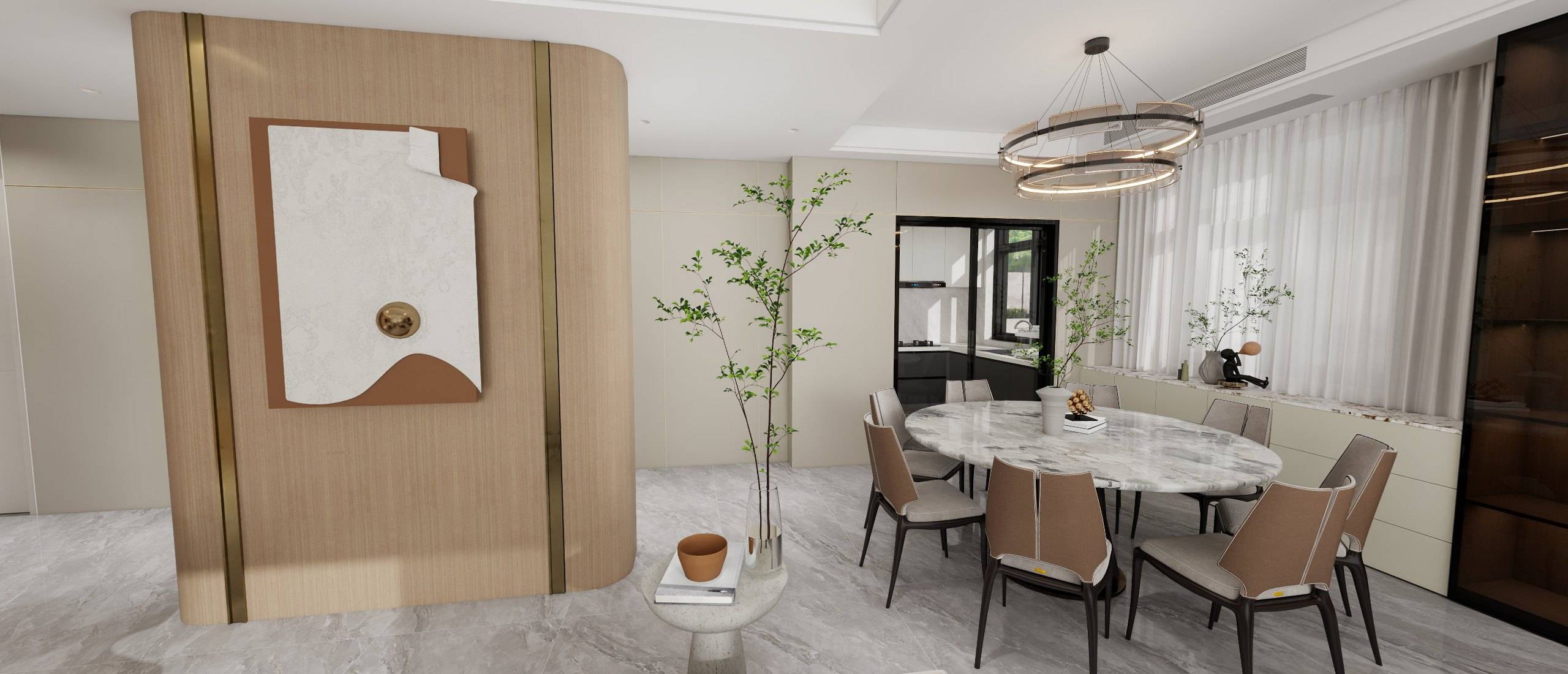
Warm minimalism is often described as minimalism that has been brought back to life. It keeps the discipline of fewer objects, clear lines and calm surfaces, but it refuses the coldness that can make a minimal room feel unfinished. Warmth comes from a restrained palette of soft neutrals, from natural materials that show their grain and variation, from light that is low and layered, and from shapes that soften where hard lines would otherwise dominate. The result is a room that is quiet without being empty.
This guide sets out what the style means in practice, how we build it in a home, and the mistakes that most often undermine it. It applies to both the furniture and the architecture, and it is one of the approaches we use as part of bespoke interiors.
What the style is, and is not
Warm minimalism is a way of editing. It asks for fewer pieces, each chosen for its proportion, material and purpose, and for surfaces that are allowed to be simple. It is not a bare room, a monochrome grey palette or a collection of white rooms. Nor is it a set of rules to be applied mechanically. The style succeeds when every element earns its place, and when the room feels calm rather than sparse.
Build the palette from warm neutrals
Start with a palette of warm neutrals: ivory, sand, oat, taupe, cognac and soft umber. These colours sit comfortably together and reflect light gently, so the room feels warm even when it is restrained. Avoid mixing too many undertones, since a warm white beside a cool grey can make a room feel accidentally unresolved. Introduce darker tones sparingly, in a timber, a leather chair or a stone, so that the palette has depth without becoming heavy.
Choose natural materials that show their character
Materials carry much of the warmth. Timber with a visible grain, such as oak or walnut, gives a room colour and texture without decoration. Stone, particularly marble or other veined material, adds a sense of permanence and a cool, tactile contrast. Leather develops a patina that suits the style, and textiles in linen, wool and cotton add softness. The aim is a small number of materials, used in generous quantities and finished simply, so that each one has room to speak.
The Garden Residence shows how this works in one open space: a curved timber-clad feature wall, a round marble dining table, a layered ring pendant beneath a coffered ceiling, and a cognac leather lounge chair beside the timber wall. The room reads as one warm composition.
Soften the lines
Minimal interiors often rely on straight edges, which can feel severe. Warm minimalism softens them with curves: a rounded sofa, a curved timber wall, a round table, arched openings or radiused corners on cabinetry. Curves are most effective when used deliberately, in one or two key places, so they create contrast with the straight lines rather than competing with them. A rounded edge on a table top or shelf is a small change that makes a surface feel softer under the hand.
Layer the light
Light is the most powerful tool in this style. Warm minimalism is lit in layers: a soft ambient source for the room, task lamps where people read and work, and accent light that reveals texture, such as a wall of timber or the veining of stone. A pendant over a dining table can be the single decorative object in a room, as the ring pendant in the Garden Residence shows, while concealed lighting in joinery or a coffered ceiling adds glow without visible fittings. Use a warm colour of light throughout, so that the palette stays consistent by day and by night.
Choose texture over pattern
Without pattern, texture does the work. Bouclé, linen, wool, a woven rug, a rough-sawn timber panel or a fluted surface all give the eye something to rest on. Texture is most effective when the surfaces around it are smooth, so that each texture reads clearly. A room with five different textures in similar colours can feel rich; the same room with five different patterns can feel busy.
Furniture that is considered, not sparse
A warm minimalist room needs enough furniture to be comfortable. Choose a few large pieces that do the work well: a generous sofa, a proper dining table, a bed with a substantial headboard, storage that is built in. Keep the surfaces around them clear, and let each object be chosen for its form and its use. Objects should be few and considered. A single vessel, a stack of books or a piece of art can carry more than a shelf of decorations.
Joinery that disappears
Built-in storage is central to the style, because it keeps the rooms calm. Flush, handle-less cabinetry in a warm finish, storage that runs floor to ceiling and display niches with concealed lighting let the room appear uncluttered while holding everything a home needs. Where joinery is visible, its proportions and joints should be as deliberate as the furniture. Our approach to joinery is covered in custom cabinetry.
Common pitfalls
- Too much beige: a palette with no contrast or depth can feel flat, so bring in one darker material.
- Cold surfaces: pale stone and white walls need warm light and timber to avoid feeling clinical.
- Empty rooms: restraint is not the same as having too little furniture or too few textures.
- Mixed undertones: warm and cool neutrals sitting side by side can look accidental.
- Poor lighting: a single ceiling light flattens the room and makes it feel unfinished.
- Overly trendy finishes: a style built on restraint should age well, so choose materials with longevity.
A checklist for the style
- Built the palette from two or three warm neutrals, with one darker accent.
- Limited the materials to a few natural ones, used generously.
- Softened the lines with one or two deliberate curves.
- Layered the light: ambient, task and accent, all in a warm colour.
- Chosen texture over pattern, with smooth surfaces around the textured ones.
- Kept the furniture generous and the surfaces clear.
- Built storage into the architecture so that the room stays calm.
Warm minimalism is easier to achieve when the architecture, furniture and lighting are designed together. If you are considering this style for your home, start a project with a floor plan, photographs of the rooms and a few references that feel right, and we will shape the palette, materials and joinery around the way you live.
Continue reading
Tell us about your space.
Share your floor plan, room photographs and what you hope to create.