Choosing Curtains and Soft Furnishings
Soft furnishings are where a room becomes comfortable. Curtains, upholstery, cushions and rugs can share one palette and one level of finish, or they can compete. Plan them together.
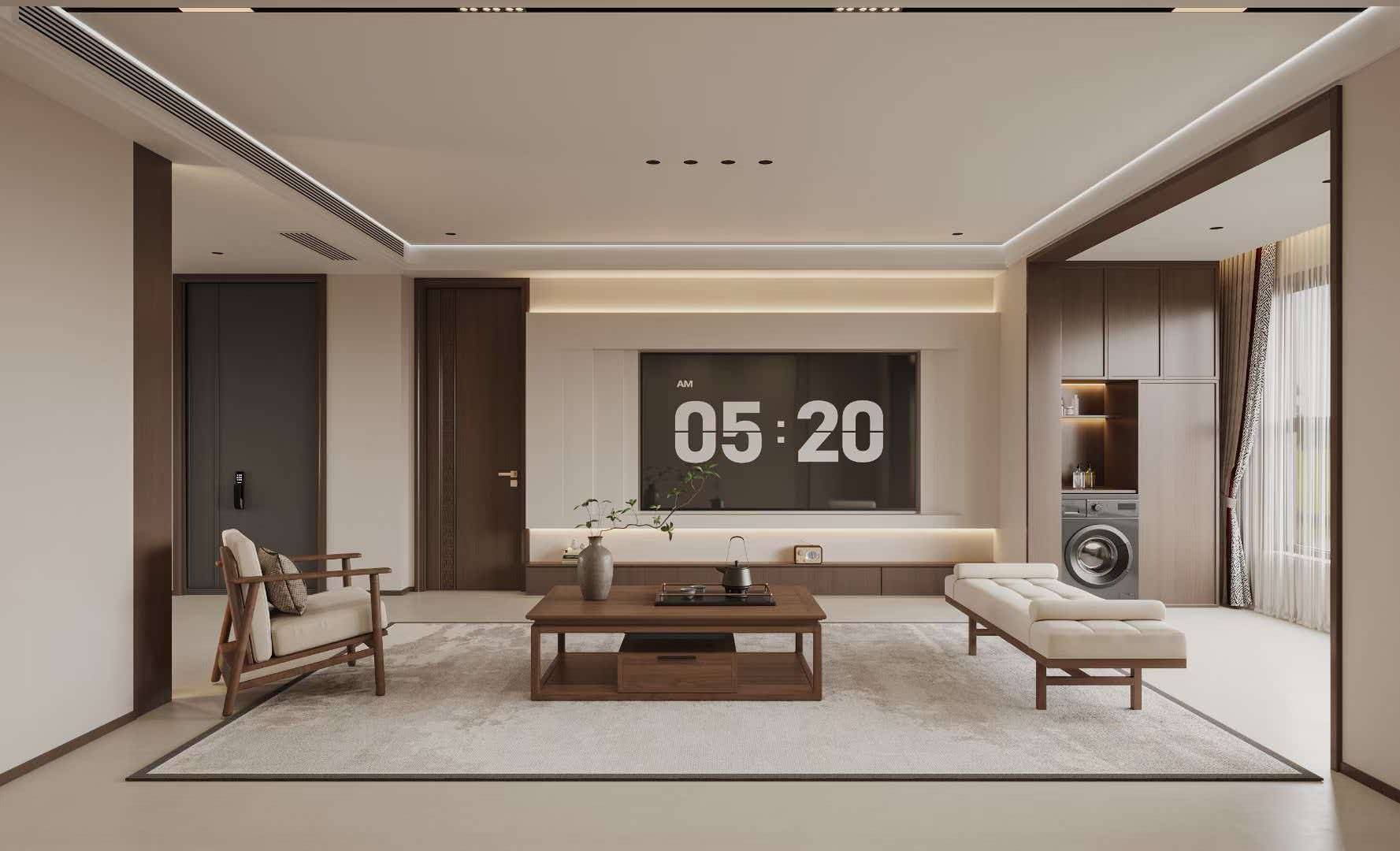
To choose curtains and soft furnishings well, treat them as one scheme rather than a series of separate purchases. Decide first how the room should feel and how it will be used, then settle the light, the fabrics and the rugs so that texture, colour and scale relate across the room. Fabrics soften sound and light, frame windows, and bring the warmth that hard materials such as stone and timber cannot supply on their own. When they are chosen in isolation, rooms often look assembled rather than designed.
This guide sets out the decisions we work through when we include custom soft furnishings in a project: curtains and light, fabric durability, upholstery, rugs and cushions, and how to bring them together.
Start with light and privacy
Curtains do more than decorate. They control daylight, provide privacy and reduce draughts, and in many rooms they are the largest area of fabric. Decide what each window needs. A living room facing a street may need lined curtains that close fully in the evening. A room with a garden view may need only a sheer layer that softens the glare and keeps the view. A bedroom needs an option that blocks light in the morning, which is usually a lined or blackout fabric behind a more decorative front.
- Sheers diffuse daylight and keep the view while giving privacy from the outside.
- Lined curtains add weight, improve how the fabric hangs and reduce light coming through the weave.
- Blackout linings are used where full darkness matters, such as bedrooms and media rooms.
- Layered schemes combine a sheer and a heavier curtain, opened and closed for different times of day.
Measure for fullness and placement
Curtains look best when they are hung high and wide. Fix the track or pole above the window frame, not inside it, and extend it beyond the frame on each side so that the curtains can open clear of the glass. The fabric should be gathered generously; a flat curtain with little fullness looks mean, while a well-gathered one falls in soft folds. Makers commonly allow fabric of one and a half to two times the width of the track, depending on the weight and heft of the cloth and the style of heading.
Length is equally important. Floor-length curtains that just skim the floor are the most common and most successful choice in living rooms, because they make the windows feel taller. Check the length against the actual floor, which is rarely level, and allow for any radiator, window seat or sill that may sit beneath them. Where a window seat is planned, the curtain length and the seat cushion should be designed together, as shown in the Garden Residence.
Fabric choice and durability
The right fabric depends on how the room is used and how much light reaches it. Linen and cotton blends are relaxed and breathable, and they suit calm, natural schemes, but they crease and can fade in strong sun. Silk-look and satin finishes are luxurious and reflect light, which is attractive in a formal room but shows marks more readily. Wool is resilient and drapes well. Velvet adds depth and warmth, although it attracts dust and needs regular brushing. Sheer voile and fine linen are delicate, and they should be hung where they will not be constantly handled.
Ask for a rub-test rating or a similar durability figure for any upholstery fabric, particularly for seats in busy rooms. Check the composition and whether the fabric is recommended for upholstery or only for curtains, because a fabric that drapes well may not wear well on a seat. Testing a sample is more reliable than a screen, so take samples home and hold them against the walls, floor and timber in the room.
Upholstery as part of the scheme
Upholstery defines how a room is used. Sofas and armchairs are the largest areas of colour and texture after the curtains, so choose them in relation to the curtains and rug rather than in isolation. A common and effective approach is to pick one main upholstery fabric in a neutral or quiet tone, and to introduce a second fabric with more pattern or colour on cushions and a single chair. This keeps the room calm while giving it interest.
Leather is a natural alternative for seating. It develops character with use and wipes clean easily, and it pairs well with linen curtains and timber. Our notes on leather and textiles describe how each performs in daily life. Whatever you choose, consider how the fabric will look in the evening under lamp light, since colours and textures change considerably after dark.
Rugs as the anchor
A rug holds the seating together and sets the scale of the room. Size matters more than most people expect. In a living room, the front legs of every seat should sit on the rug, or the rug should extend beneath the whole sofa and chairs so that the group reads as one arrangement. A rug that is too small makes furniture look like it is floating; a rug that is too large can make a room feel cluttered. In dining rooms, the rug should extend well beyond the table so that chairs stay on it when pulled back.
Rug texture changes the feel of the room. A low-pile wool or a flatweave is practical in a busy space, while a deep pile adds softness and warmth to a bedroom or a reading corner. A pattern can carry the palette of the room, but it should be used with restraint if the upholstery and curtains are also patterned. A simple rule is to use pattern in one or two places, and to let the other surfaces stay quiet.
Cushions, throws and the final layer
Cushions and throws are the easiest elements to change, which makes them useful for testing the scheme. Choose cushions that relate to the curtains or rug rather than repeat them exactly. Vary the sizes: a larger square, a lumbar and a small accent give a sofa depth without crowding it. Keep the number modest, because too many cushions make a seat difficult to use. A throw over one arm or the end of a bed adds texture and gives a practical layer for cool evenings.
Scale and pattern
Pattern scale is one of the most common reasons soft furnishings fail to work together. A large-scale pattern on a sofa beside a fine stripe on the curtains can look busy, even when both are attractive individually. Vary the scale: a bold pattern in one place, a fine texture elsewhere, and a plain fabric to rest the eye. Check that colours share an undertone, warm or cool, so that the palette feels deliberate.
A checklist before you order
- Decided the light and privacy needs for each window, including the bedrooms.
- Measured the track position, fullness and length against the actual floor.
- Chosen one main upholstery fabric and one or two supporting textures.
- Checked durability ratings for any fabric on seating.
- Sized the rug so that the front legs of the seating sit on it.
- Viewed every sample in daylight and in the evening under your own lamps.
When the soft furnishings are designed alongside the furniture, lighting and joinery, the room feels resolved from the first day. If you are planning a room, start a project with a floor plan, photographs of the windows at different times of day and any fabrics you already love. We will bring the curtains, upholstery and rugs into one scheme with the rest of the interior, through our bespoke interiors service.
Continue reading
Tell us about your space.
Share your floor plan, room photographs and what you hope to create.