Bespoke Bed and Headboard Design
The bed is the largest piece in most bedrooms and the one that most affects how the room feels at night. A bespoke headboard can anchor the room, but its height, depth and fittings need to be planned with care.
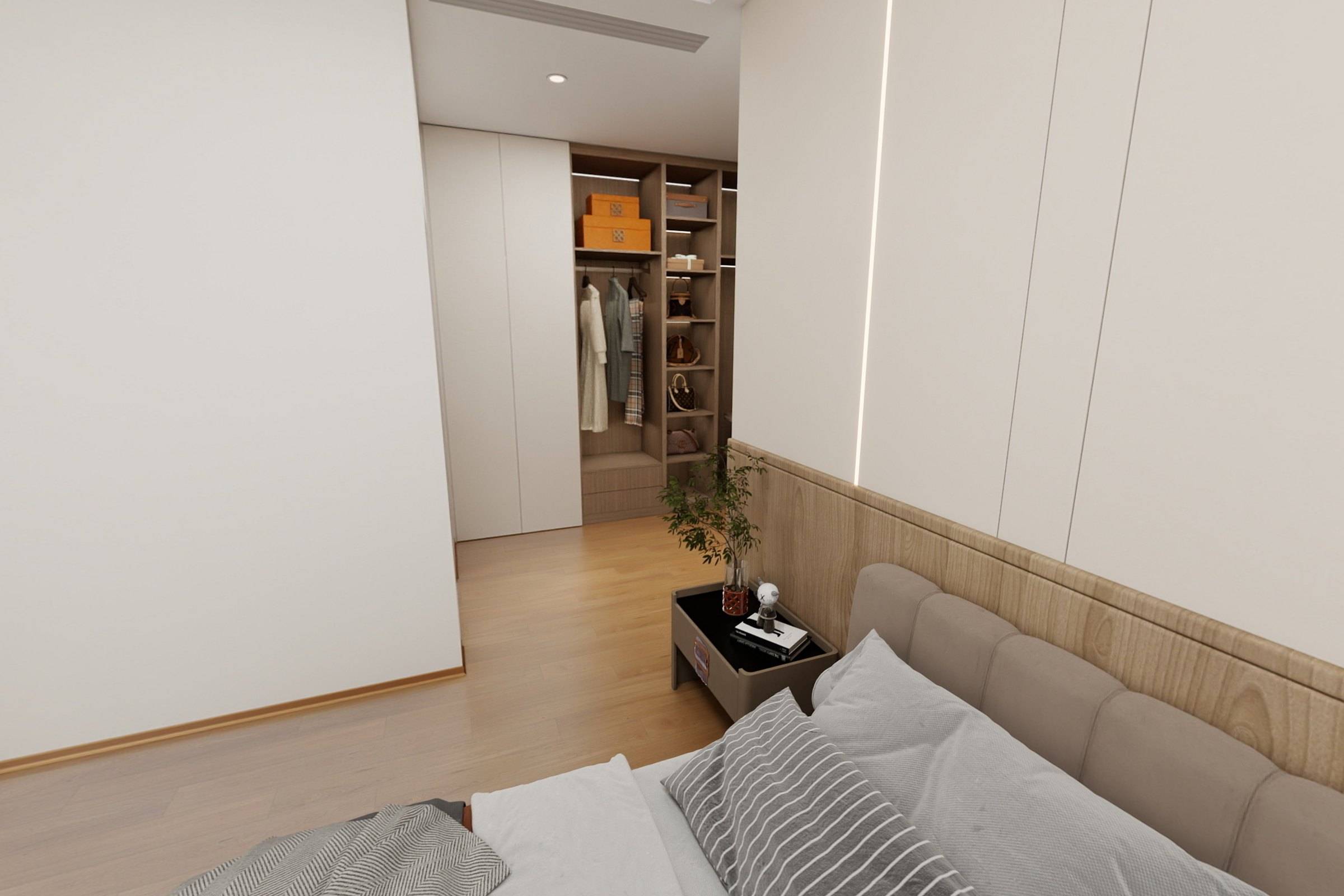
A bespoke bed and headboard are designed around the way you sleep, read and get in and out of bed, and around the room they sit in. The mattress size and clearance define the footprint; the headboard height and upholstery define the room's character; and the bedside surfaces, lighting and wall behind all decide whether the bed feels comfortable every night. Get these right and a bed becomes the calm centre of a bedroom. Get them wrong and it dominates the room without being comfortable to use.
This guide covers the decisions we work through when designing a custom bedroom furniture set: size and clearance, headboard height, upholstery, integrated bedside tables, lighting and delivery.
Start with how you sleep and read
Before choosing a shape, consider the practical habits of the people who will use the bed. Do you read in bed, and if so, do you sit upright or lean back? Do you need a surface for a glass of water, a phone and a book on both sides? Do you share the bed and need separate reading light? Do you want a headboard to lean against, or a visual feature with the pillows in front of it? These answers determine the depth of the headboard, the height of the bedside surfaces and the position of the lighting.
- Confirm the mattress size and the typical height of the mattress top, since this drives every other height in the design.
- Note who gets in and out of which side, and whether anyone needs the bed to be easy to rise from.
- Decide how many surfaces are needed on each side, and what they must hold.
- Consider whether the bed will be read in, watched from, or simply slept in, which affects the headboard depth and the lighting.
Size and clearance
Bed size is the first decision, but clearance is what makes the bedroom work. Allow generous space on each side of the bed where possible, and at least enough to walk around it comfortably and to open doors and drawers. Where space is tight, a bed can be placed against a wall on one side, provided the other side remains generous enough to make the bed and get in and out. The foot of the bed should not block the main route to a wardrobe, a bathroom or a window, and it should leave room for a bench or chair if one is planned.
Check the bedroom door, the corridors and the route into the room before any headboard is designed. A large headboard or bed frame may need to be made in sections and assembled in the room, and the design should allow for this from the start. Our whole-home furnishing service includes coordinating packing and delivery to the home.
Headboard height and depth
Headboard height is a balance between comfort and proportion. A headboard should rise high enough to support pillows and the back when sitting up, which usually means it should reach well above the mattress top. A very tall headboard can feel imposing in a low-ceilinged room, while a low one can look unfinished unless it is carefully proportioned to the wall. Consider the wall behind the bed as well: a headboard that rises to the height of a window head, a picture rail or a panelled dado often looks most resolved.
Depth matters for comfort. A shallow headboard is clean and modern but gives little back support when reading. A deeper, upholstered headboard with a firm core is more comfortable for sitting up and can hold pillows without collapsing. If the headboard is fixed to the wall, check the construction and fixings with the builder or a qualified professional, and make sure the wall can take the load.
Upholstery, fabric and detail
Upholstered headboards soften a bedroom and absorb some sound, which makes the room feel calmer. The choice of fabric depends on how often the headboard will be touched and how much light the room receives. Linen and textured wool blends are soft and forgiving; velvet adds depth but attracts dust and needs brushing; leather develops character over time and wipes clean easily. Ask for a durability rating for any fabric on a headboard, since it is used more than a decorative cushion, and test a sample in the room's light before ordering.
Detail adds richness. Channel or button tufting creates texture and shadow, and suits traditional and classical rooms. Quilted or panelled faces feel more architectural, while a plain, close-fitting upholstery shows the shape of the bed more clearly. A leather-framed headboard, as in the Garden Residence, can be paired with timber wainscot behind, so that the bed and the wall read as one composition. Check how the upholstery meets timber or stone at the edges, since these junctions are where wear and gaps show first.
Integrated bedside tables
Integrated bedside tables, built into the headboard or floated from the wall, are one of the most successful ways to keep a bedroom uncluttered. They free the floor, allow the bed to sit closer to the wall, and can be designed with the lighting and power already in place. Floating tables feel lighter, and they make cleaning easier, but they need solid fixing into the wall and a clear plan for cable routes. Built-in tables are more substantial and can include drawers or shelves, which suit people who need storage beside the bed.
- Set the top of each bedside surface a few centimetres above the mattress top, so that a glass or book can be reached easily from bed.
- Allow enough width for a lamp, a phone, a glass and a book, usually around 40 to 50 centimetres per side.
- Plan drawers and shelves to match what you keep beside the bed, not what looks tidy in a photograph.
- Keep any drawers clear of the mattress and frame when they open.
Lighting and power
Bedside lighting should be planned as part of the headboard, not added afterwards. Reading lamps placed over the shoulder give light for a book without disturbing a partner, and wall-mounted lights can free the surface entirely. Concealed or integrated lights in the headboard can create a soft wash of light behind the bed, which makes the room feel warm at night. Plug sockets and USB charging must be positioned before the upholstery is fixed. Electrical work should be carried out by a qualified electrician, and dimming should be planned so that the room can be softened before sleep.
Matching the bed to the room
A bed should relate to the rest of the bedroom: the wardrobe, the window seat, the wall panelling and the rug. In a room with timber wainscot or built-in joinery, a headboard in a complementary finish often makes the most sense, and a statement fabric can be introduced through cushions and throws. In a more classical room, mouldings and a richly upholstered bed can share the same palette, as in the French Classical Residence, where a burgundy upholstered bed and bench sit within ornate plasterwork. The bed should be the most comfortable object in the room, and the rest of the scheme should support that.
A checklist before you order
- Confirmed the mattress size and the height of the mattress top.
- Checked clearance on both sides and at the foot of the bed.
- Tested the headboard height against the wall and the window head.
- Chosen the fabric and tested a sample in the room's daylight and lamplight.
- Planned bedside surfaces, lighting and sockets before the upholstery is fixed.
- Confirmed how the bed will reach the room and how it will be assembled.
If you are planning a bedroom, tell us about your space with a floor plan, the mattress size and a note of how you use the bed. We will design a headboard and bedside arrangement that fits the room and the way you sleep, as part of our bespoke furniture work.
Continue reading
Tell us about your space.
Share your floor plan, room photographs and what you hope to create.