How to Choose Dining Chairs
Dining chairs are used for hours at a time, and they decide how a table feels to sit at. Their height, depth, arms and upholstery need to suit both the body and the table they serve.
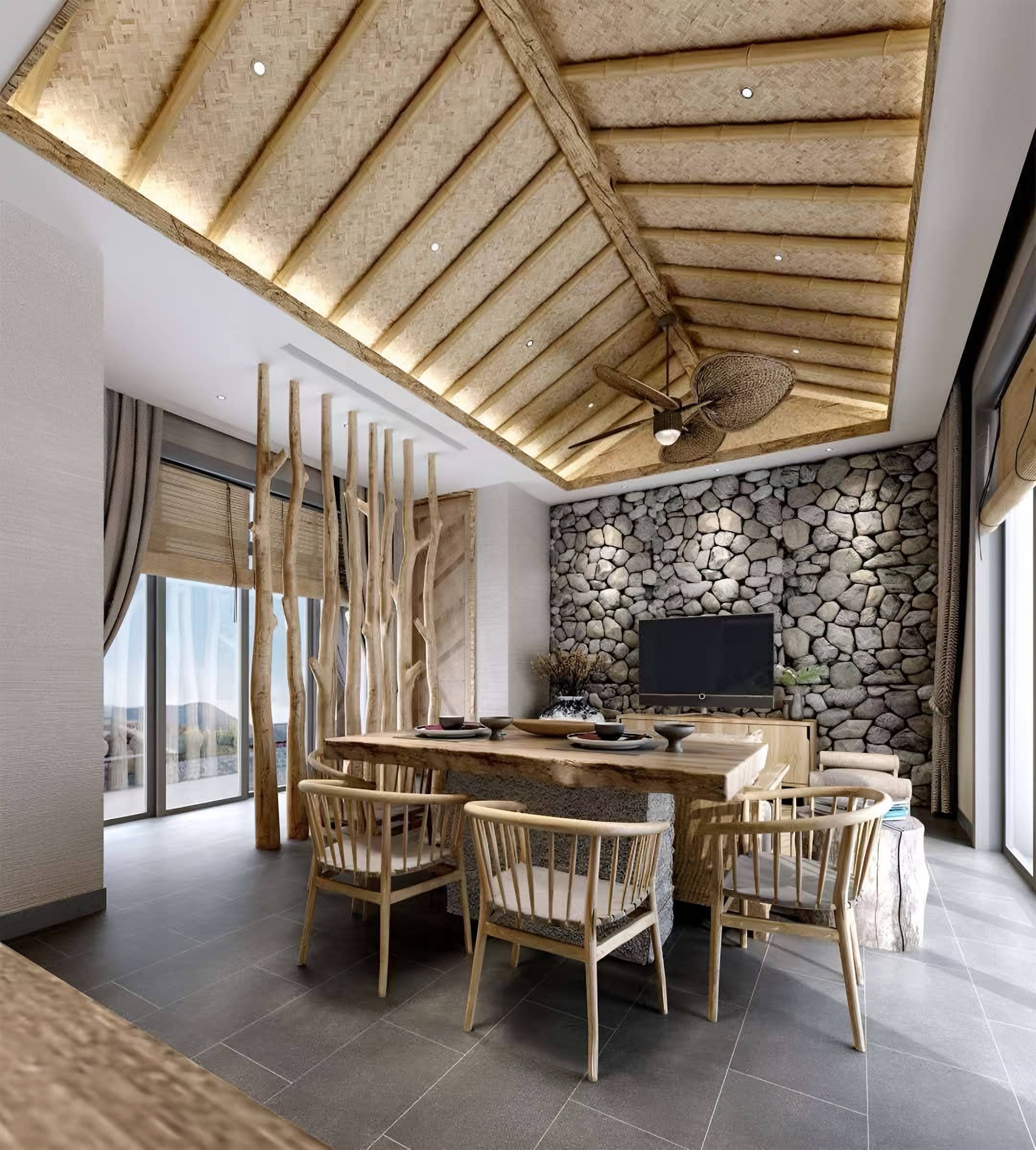
A dining chair has two jobs: it must be comfortable for a long meal, and it must fit the table so that people can sit down and get up without disturbing one another. The best chair for a room is therefore a relationship between the seat, the table and the people who will use them. A chair that looks elegant alone can be uncomfortable at a table of the wrong height, and a generous armchair can be impossible to fit around a narrow table. Choosing the chairs and the table together, rather than one after the other, avoids most of these problems.
This guide sets out how we consider dining chairs as part of custom dining room furniture: seat height, depth, arms, upholstery and spacing, and how to test a chair before you commit.
Seat height and the table
The most important relationship is between the seat and the table. A comfortable gap between the seat and the underside of the table lets people sit with their knees clear of the apron, and the table top should sit at a height that suits the chair. Dining tables are commonly made to a height that works with a standard seat, but the seat should be measured rather than assumed. If the chairs are existing pieces, measure the seat height, the arm height and the width before designing or buying a table. A chair that is too low at a high table can feel awkward for everyone, while a chair with a high seat at a low table makes the meal feel formal and uncomfortable.
Seat depth and posture
Seat depth determines how a person sits. A shallow seat suits upright posture and makes it easy to stand; a deeper seat supports the thighs but can be hard to leave if the back is not well supported. For most dining chairs, a seat that allows the back to rest against the chair without the edge pressing behind the knees is comfortable for a long meal. Check the depth with the chair set at the table, since the distance from the back of the seat to the table edge changes how the chair feels in use.
Arms: generous or slim
Arms make a chair more comfortable for long sitting and give it a stronger presence in the room. They also take up width, so a chair with arms needs more space at the table, and it may not tuck fully beneath the edge. Slim arms suit a table with many guests, while generous arms suit a dining room used for long, relaxed meals. A common arrangement is to place armchairs at the ends of a table and side chairs along the length, which gives the head of the table a clear identity without crowding the seats.
Backs and frames
Dining chair backs range from open, sculptural frames to fully upholstered designs. Open backs suit timber chairs and let the room feel light, while upholstered backs add warmth and comfort. Spindle backs, as seen in the Bamboo and Timber Mountain Retreat, create a rhythm of vertical lines that suits a room with a strong timber or natural palette. Whatever the design, check that the back supports the lower back rather than just the shoulders, and that the frame is stable when someone leans back.
Upholstery and fabric
Upholstered seats add comfort and soften the sound of a room, but they need fabric that resists the wear of daily meals. Look for a fabric with a durability rating, and consider a cover that can be removed for cleaning if the chairs will see children or frequent guests. Leather is durable and wipes clean, and it ages with character. Textile seats offer more colour and texture, and they should be chosen with spills in mind. Seat cushions should be firm enough to hold their shape through a long dinner, and the frame should be finished to a standard that will not show wear at the arms or the front rail.
Spacing around the table
Spacing decides whether people can sit comfortably. Allow enough width for each person to sit with their elbows clear of the next person, and enough room behind the chairs for people to pull them back and walk past. The exact space depends on the chair width, the number of guests and the room. As a general guide, allow more space around a table with armchairs, and check how the chairs sit when they are pulled out, not only when they are tucked in. In a room with a sideboard or a wall close to the end of the table, measure the clearance on that side too.
Matching the chair to the table
The table and chairs should share a material language. A timber table pairs well with timber chairs, or with upholstered seats in a natural fabric. A stone table can be balanced by warm timber frames and soft seating, as in the round stone table and timber chairs of the Private Dining Room. Keep the number of materials limited, and let the chair backs, frames and seats echo the proportions of the table.
Testing chairs before you order
Sit in the chair at the table you plan to use, or at a table of the same height, and stay there for at least a few minutes. Lean back, pull the chair in and out, and stand up without help. Check the seat with the body in different positions, and note whether the arms interfere with the table. Samples of the upholstery should be seen in the room's daylight and in the evening, beside the table top and the floor. If possible, ask for a full-size sample of the chair rather than a model, since comfort is hard to judge from drawings.
- Measured the table height and the proposed seat height, with a gap for the knees.
- Checked the seat depth and the position of the back when the chair is at the table.
- Decided on arms for the chairs at the ends, the sides, or both.
- Chosen a frame and back that suit the material of the table.
- Specified an upholstery fabric with a suitable durability rating.
- Measured the spacing for each seat and the clearance behind the chairs.
- Sat in a sample at table height before committing.
A good dining chair is one that people want to stay in. If you are planning a dining room, start a project with a measured plan, the table and chairs you have or intend to buy, and a note of how many guests you usually seat. We will design the table and chairs together, so that they suit the room and the meals you share.
Continue reading
Tell us about your space.
Share your floor plan, room photographs and what you hope to create.